
What affects a roofer’s quote: key factors and typical costs
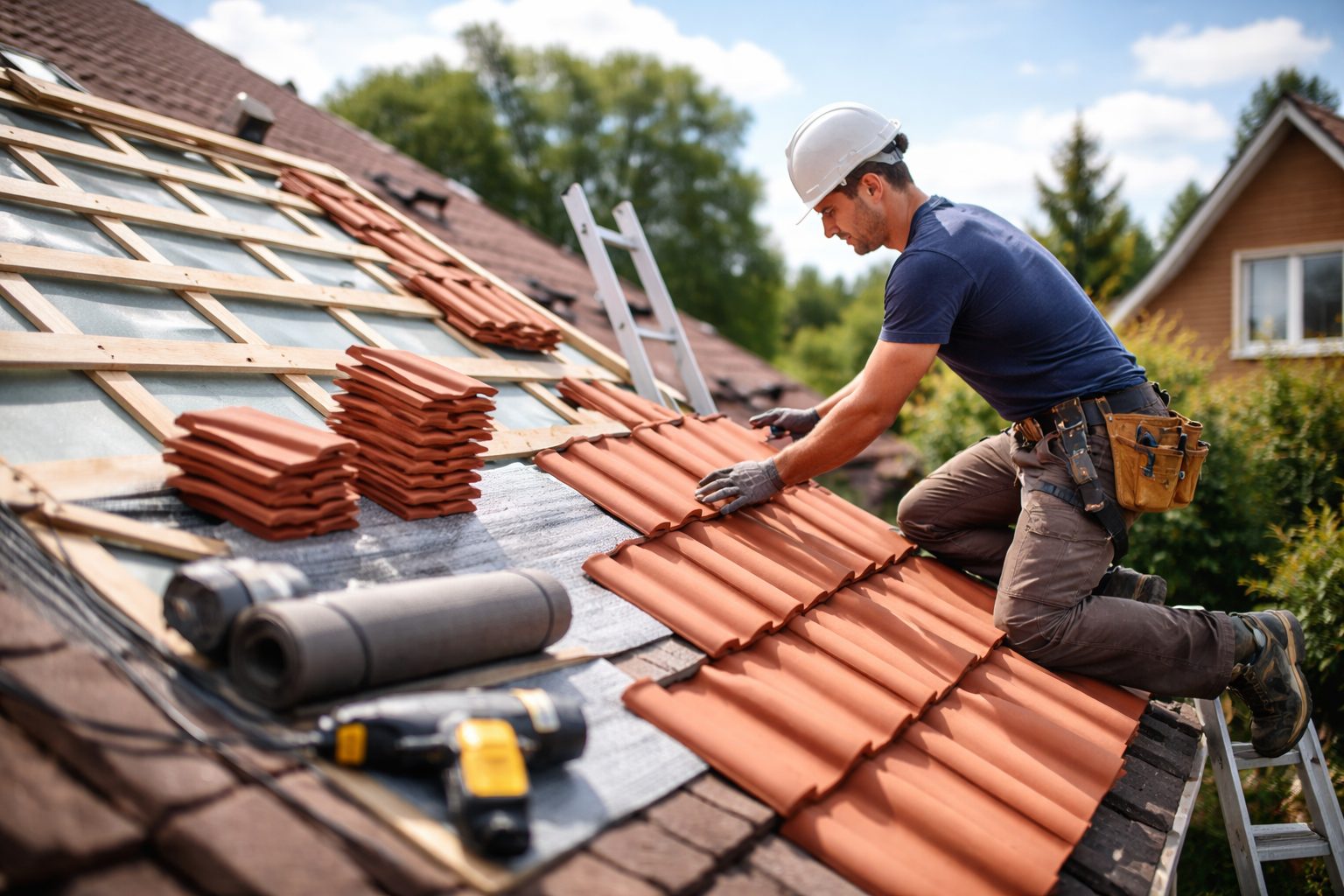
A roofer's quote depends on roof size, materials, access and the work's complexity. Understanding these factors helps you compare like‑for‑like estimates and avoid surprises.
Roofing quotes vary because of measurable things such as the area to cover and the materials chosen, plus less obvious factors like access, roof pitch and existing damage. Knowing what drives a price lets you ask the right questions and compare accurate estimates.
Size, shape and pitch of the roof
The simplest starting point for any quote is the roof area. Larger roofs require more materials and longer labour, so the overall price rises accordingly. But shape and pitch also matter:
- Complex roofs with hips, valleys, dormers or multiple levels increase time on site and waste from cutting materials.
- Steep pitches slow work and need extra safety measures or specialised access, which adds to labour costs.
- Roof features such as chimneys, skylights, roof windows and gutters require additional detailing and sealing work.
When comparing quotes, ensure they refer to the same measured area (square metres or roof coverings) and list allowances for waste. A roofer should inspect the roof in person; satellite or photos are useful but rarely sufficient for an accurate fixed price.
Materials and lay patterns
The type of roofing material is one of the clearest cost drivers. Common choices include tile, slate, concrete, metal and specialised membrane systems for flat roofs. Within each material there are different grades and accessories (battens, underlay, leadwork, flashings) that vary in price.
Some examples of typical material-driven choices:
- Natural slate is usually more expensive than concrete tiles but lasts longer and may need different skills to install.
- High-performance underlays or vapour control layers add to the job cost but can improve roof longevity and thermal performance.
- Roofing for flat areas often requires a membrane or liquid-applied system, which has different cost structures from pitched roofing — see options for Flat roofing.
Access, scaffolding and working conditions
Access is a practical but often underestimated cost. Safe, efficient work needs good access for materials, waste removal and worker safety.
- If scaffolding is straightforward and can be erected from the pavement or a neighbour’s garden, costs are lower. Restricted access requiring specialist hoists or craning increases the quote.
- Traffic management or permits may be needed for scaffold on a public pavement — this adds time and cost.
- Bad weather, constrained working hours and difficult eaves or adjacent obstacles (trees, parked vehicles) can extend the duration and therefore the price.
Scope of work: repair, replacement or work to elements
Quotes differ depending on whether the job is a small repair, a full re-roof or targeted work such as renewing fascias and soffits. A clear scope prevents misunderstandings.
- Repairs: fixing slipped tiles, replacing a small area of felt or repairing flashings is usually charged per item or per day; see Roof repairs for typical approaches.
- Full replacement: this includes stripping existing coverings, inspecting and repairing the deck, refelting or breathable underlay and installing new tiles/slates — see typical work under Roof replacement.
- Related elements: renewing gutters, fascias and soffits improves finish and performance; these jobs are often quoted separately — refer to Fascias & soffits for common inclusions.
Get up to 3 quotes from roofing companies
Describe your project in a minute. Free, quick and with no obligation.
Request your quote through our platform
Our platform lists 14,254 roofing companies in 861 towns.
Compare local firms and get several quotes from a single request — free and with no obligation.
Get a quick quote
- Free and no obligation
- Quotes from roofers who cover your area
- One request, several quotes to compare
- You choose who to hire, if anyone
Thank you — we have received your request!
A local firm will contact you as soon as possible about your free, no-obligation quote.
Typical price and timescale ranges
Below are cautious ranges to help you understand estimates. Actual prices vary with the factors above; the table shows common ranges and what makes them change.
| Work type | Typical cost range | Typical duration | What increases cost/duration |
|---|---|---|---|
| Minor repairs (tiles/slates/flashings) | £80 to £600 | 1 day to 2 days | Hard access, multiple pitched areas, need for scaffold |
| Partial re-roof or patch replacement | £500 to £3,000 | 1 to 4 days | Extent of decay, matching existing materials, structural repairs |
| Full pitched roof replacement (per house) | £3,000 to £12,000+ | 3 days to 2 weeks | Roof size, slate vs tile, removal costs, deck repairs |
| Flat roof replacement (membrane) | £600 to £6,000 | 1 day to 1 week | Access, insulation upgrades, detailing around penetrations |
Tradesmanship, warranties and insurance
Two quotes can look similar but differ in workmanship guarantees, materials warranty and insurance cover. These non-material factors affect long-term value:
- Experienced roofers may charge more but can work faster and provide better finishing details that reduce future maintenance.
- Ask what warranties are offered on both materials and labour, and whether these are written and transferable.
- Make sure the roofer carries public liability and employer’s liability insurance and that any subcontractors are covered.
Frequently asked questions
How long does a roofer take to provide a quote?
Typically a site visit lasts 20–60 minutes. You should receive a written quote within a few days, but times vary by busyness and job complexity.
Should I get more than one quote?
Yes — getting multiple quotes helps compare scope, materials and warranties. Ensure each quote includes the same specifications to be comparable.
Can the price change after I accept a quote?
It can, if unexpected issues are found (rotted deck, structural problems). A good quote will state how variations are handled and when extra costs apply.
Conclusion
Quotes reflect tangible items (size, materials, access) and less visible ones (quality, guarantees). To act: get at least three written quotes that itemise labour, materials and allowances for scaffolding or waste, and compare them line by line before committing.