
How to choose a qualified roofing contractor
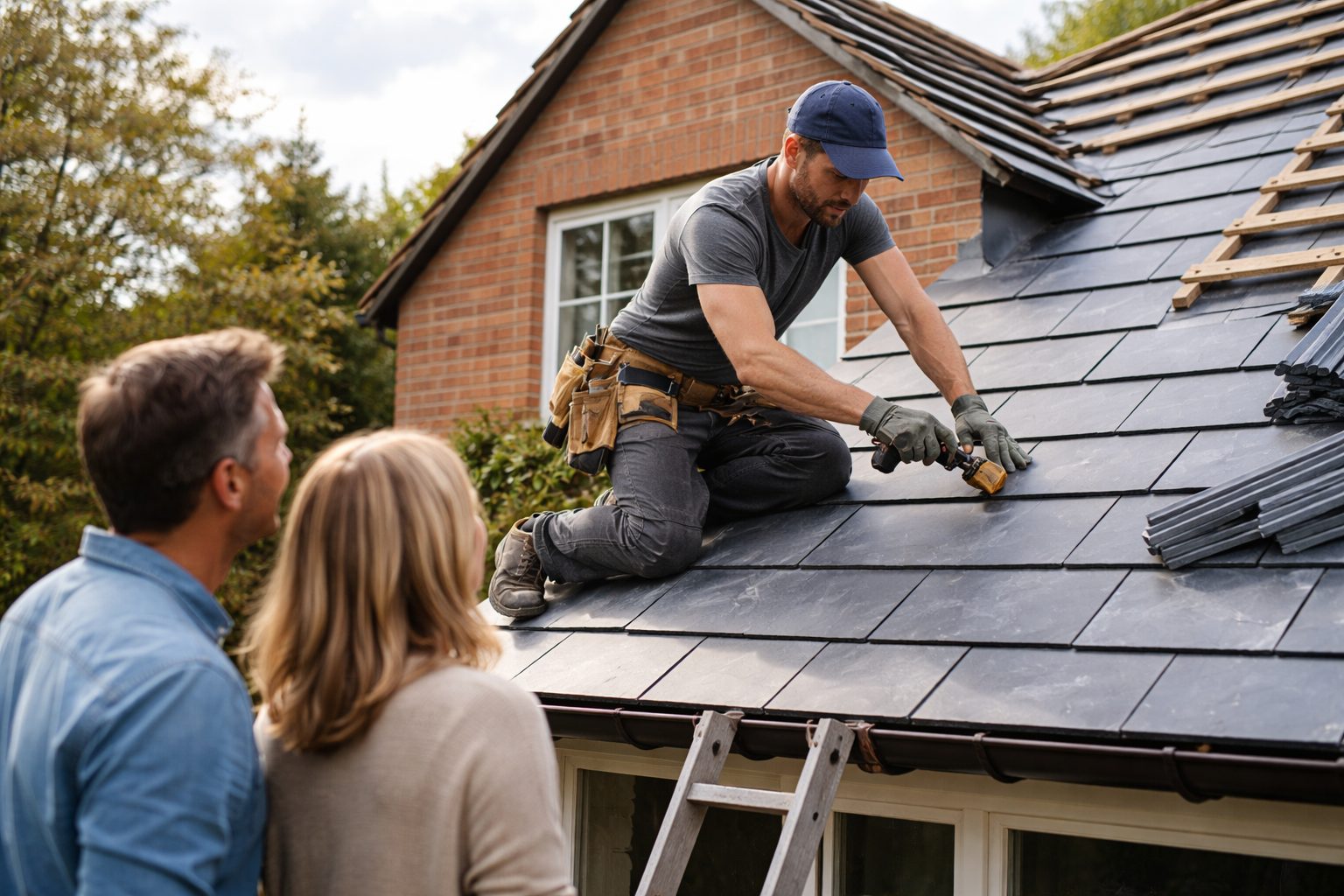
Choosing the right roofing contractor means checking credentials, experience and a clear written quote. Get at least three detailed estimates and compare warranties, insurance and timelines before you decide.
Start by verifying that a roofer is properly insured, experienced with your roof type and willing to provide a clear, itemised written quote. A few careful checks up front will cut the risk of costly remedial work later.
1. Credentials and insurance to check first
Always begin with the basics: identity, insurance and trade credentials. Ask the contractor for proof of public liability insurance and employers’ liability insurance where appropriate. These documents protect you if someone is injured on site or if the work causes accidental damage.
- Get copies of insurance certificates and note the insurer and expiry date.
- Check whether the company is VAT-registered if the job meets the VAT threshold — that can affect invoicing and record-keeping.
- Look for membership of recognised trade bodies or manufacturer accreditation, which indicate training and standards without guaranteeing quality on every job.
A genuine contractor will be happy to share references and evidence of recent projects; treat evasiveness as a warning sign.
2. Experience relevant to your roof
Not every roofer works on every roof type. Ensure the contractor has demonstrable experience with the material and structure you have — for example, slate, tile, flat membranes or complex valleys and chimneys.
- Ask for photographs of recent jobs similar to yours and, if possible, speak to previous customers about workmanship and cleanliness.
- For specialist works such as slating, pointwork or complex leadwork, prefer contractors who list those skills specifically and can confirm manufacturer training.
- If you need a full renewal rather than repair, request reference projects for complete jobs — a simpler repair tradesperson may not have managed larger projects.
If the work includes replacement of the outer covering, check options and compare a dedicated roof replacement approach versus a repair route; see an example of typical Roof replacement services when considering scope.
3. Quotes, scope and what to watch for
A qualified contractor provides a clear, written quote that sets out the scope, materials, timings and payment terms. Vague estimates or pressure to agree on the spot are red flags.
- Insist on an itemised quote: materials, labour, access equipment (scaffolding), waste disposal and any provisional sums for unforeseen work.
- Ask how they will protect surrounding areas (gutters, landscaping, interior rooms) and how debris and old materials will be removed.
- Clarify the start date and expected completion period, plus a process for handling delays.
If your property has a flat roof, confirm the exact membrane type and guarantees; you can compare typical approaches via a specialist Flat roofing resource.
4. Typical costs and timescales — ranges and what affects them
Costs vary by roof size, pitch, materials, access and whether structural repairs are needed. Below are realistic ranges and the main factors that push prices up or down.
| Work type | Typical cost range | Typical duration | What increases cost/time |
|---|---|---|---|
| Minor roof repairs (patching, tile replacement) | £150 to £700 | 1 day to 2 days | Hard access, multiple matches, hidden rot |
| Re-roof small pitched roof (material only replacement) | £2,000 to £8,000 | 2 to 5 days | High pitch, scaffolding, complex detailing |
| Full roof replacement (larger, tiled or slated) | £5,000 to £20,000+ | 3 days to 2 weeks | Slates, structural repairs, leadwork, size |
| Flat roof replacement | £1,000 to £6,000 | 1 to 5 days | Access, insulation upgrades, drainage work |
Factors that affect both cost and time:
- Roof area and pitch: larger and steeper roofs take longer and need more materials.
- Material choice: natural slate costs more and takes longer than concrete tiles; specialist membranes vary by lifespan and complexity.
- Access and scaffolding: if erecting scaffolding or using cranes is required, expect higher costs and longer setup time.
- Structural or hidden damage: once felt or tiles are lifted, rotten timbers or poor previous repairs can add labour and materials.
For substantial work it is sensible to compare recommendations against the specialist Slate roofing guidance if your roof uses natural slates.
Get up to 3 quotes from roofing companies
Describe your project in a minute. Free, quick and with no obligation.
Request your quote through our platform
Our platform lists 14,254 roofing companies in 861 towns.
Compare local firms and get several quotes from a single request — free and with no obligation.
Get a quick quote
- Free and no obligation
- Quotes from roofers who cover your area
- One request, several quotes to compare
- You choose who to hire, if anyone
Thank you — we have received your request!
A local firm will contact you as soon as possible about your free, no-obligation quote.
5. Guarantees, warranties and aftercare
A trustworthy contractor will offer guarantees on workmanship and confirm the manufacturer warranties for materials. Understand the difference: product warranties cover materials, while workmanship guarantees cover how the job was carried out.
- Ask for the warranty in writing, with clear start and end dates and what is and isn’t covered.
- Clarify who is responsible for remedial work if defects appear and how to claim under the warranty.
- Find out whether the contractor provides periodic inspections or maintenance services; simple checks can extend the life of a roof.
For works involving external woodwork such as fascia and soffit replacement, check treatment and guarantee terms and see related services like Fascias & soffits.
Frequently asked questions
How many quotes should I get?
Get at least three written quotes from different contractors to compare scope, materials and pricing. Ensure each quote covers the same specification to make comparisons meaningful.
Should I pay a deposit?
A reasonable deposit is common for materials or to secure a start date, but avoid large up-front payments. Agree staged payments linked to milestones and hold the final payment until you’re satisfied with the completed work.
How do I check a contractor’s past work?
Ask for recent local references and photographs of completed jobs similar to yours. If comfortable, request to view a finished project in person or speak directly with past customers about the contractor’s reliability and tidiness.
Conclusion
To choose a qualified roofer, verify insurance and credentials, confirm experience with your roof type, and compare three detailed written quotes. Actionable step: request three itemised estimates and compare them line by line before you sign a contract.